Laser Resurfacing
Laser resurfacing is an advanced, Consultant-led skin rejuvenation treatment at Montrose London that improves skin texture and tone, and targets wrinkles, pigmentation and scarring by stimulating collagen production. Using both non-ablative and ablative laser technology, laser resurfacing can effectively treat fine lines, wrinkles, pigmentation, scarring and uneven skin texture.
More about this treatment
Laser resurfacing works by delivering controlled laser energy into the skin to trigger the body’s natural healing response. This process stimulates collagen regeneration and increases cellular turnover, leading to smoother, brighter and more even-looking skin over time.
There are two main approaches to laser resurfacing: non-ablative and ablative laser technology.
Non-ablative laser resurfacing targets the deeper layers of the skin without disrupting the surface. This stimulates collagen production while allowing for minimal downtime, making it suitable for early signs of ageing, mild pigmentation and texture refinement.
Ablative laser resurfacing damages the skin surface as well as a variable depth beneath the surface. This allows new, healthier skin to regenerate. This approach delivers more dramatic and transformative results and is particularly effective for deeper wrinkles, severe pigmentation, scarring and advanced textural irregularities, and it involves a longer recovery period.
At Montrose London, laser resurfacing treatments are performed using the advanced Sciton Joule platform, which allows treatments to be precisely tailored to each patient’s skin concerns, goals and downtime requirements.
The Sciton Joule platform enables both non-ablative resurfacing technologies as well as ablative resurfacing. Ablative resurfacing can be broken down into two types; one which does not treat the full area treated, but instead treats a specific, preselected percentage of the area by delivering the energy in little scattered dots, leaving the tissue between the dots untreated. On the Sciton platform, this is called ProFractional and it stimulates collagen remodelling and skin renewal while reducing recovery time compared to fully ablative treatments. ProFractional, which uses Erbium:YAG laser technology, is particularly effective for acne scarring, uneven texture, fine lines and moderate pigmentation. It can also be used more safely in patients with darker skin types who would benefit from resurfacing – with less risk of hyperpigmentation compared with its CO2 laser counterparts.
For more advanced skin concerns, Contour TRL (Tunable Resurfacing Laser) provides fully ablative resurfacing. This technology removes skin layers with micrometre-precision to address deep wrinkles, severe sun damage, pronounced pigmentation and significant scarring. Contour TRL is considered a gold-standard treatment for comprehensive skin resurfacing and delivers dramatic rejuvenation with a longer recovery period.
Your practitioner will recommend the most appropriate technology based on your skin condition, treatment goals and recovery preferences.
What results are typically achieved?
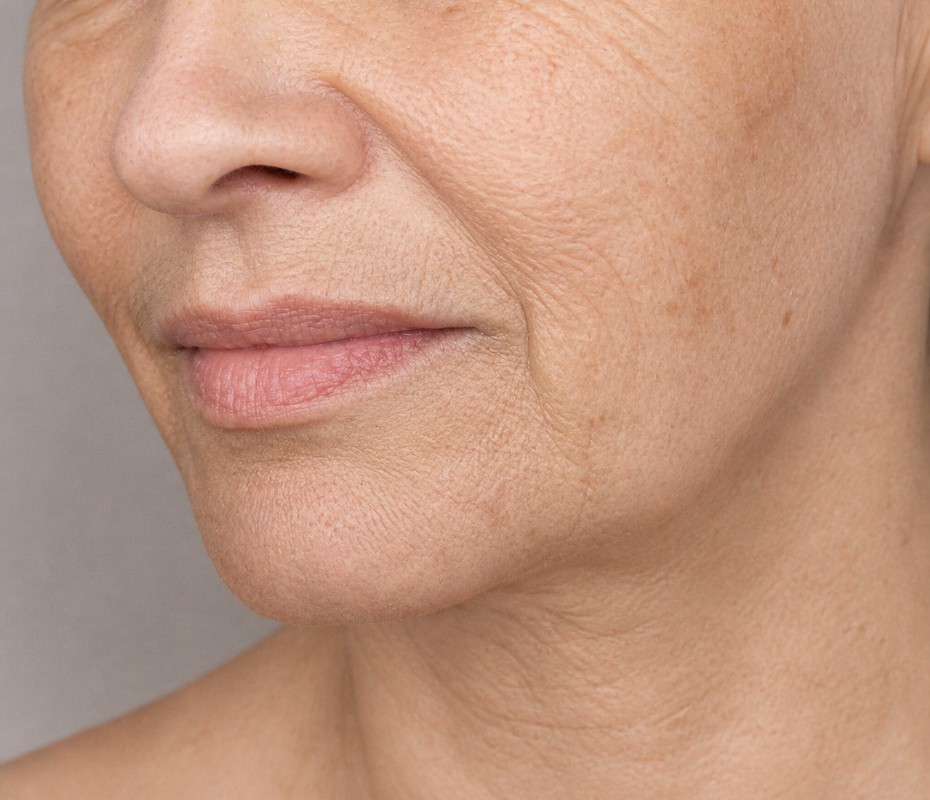
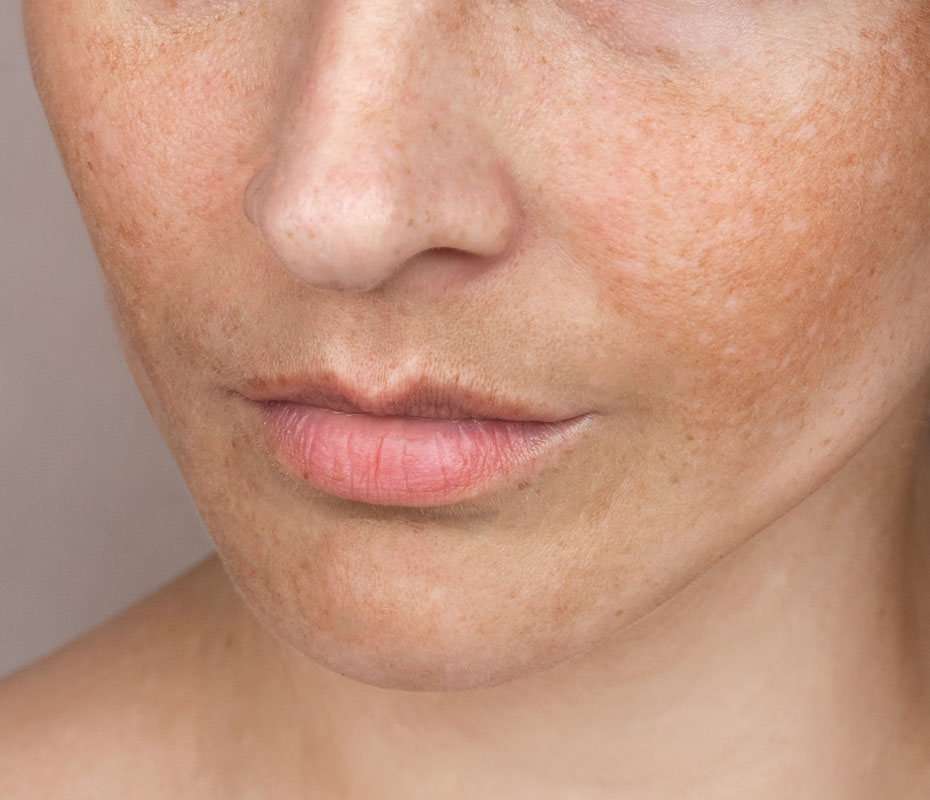
Laser resurfacing delivers progressive, long-lasting improvements in overall skin quality. Results vary depending on treatment depth and technology used but commonly include smoother skin texture, improved clarity and tone, reduction in fine lines and wrinkles, softening of scars (including acne scarring), and a more refined, even complexion.
Collagen regeneration continues for several months following treatment, with results improving gradually over time.
Preparing for your treatment
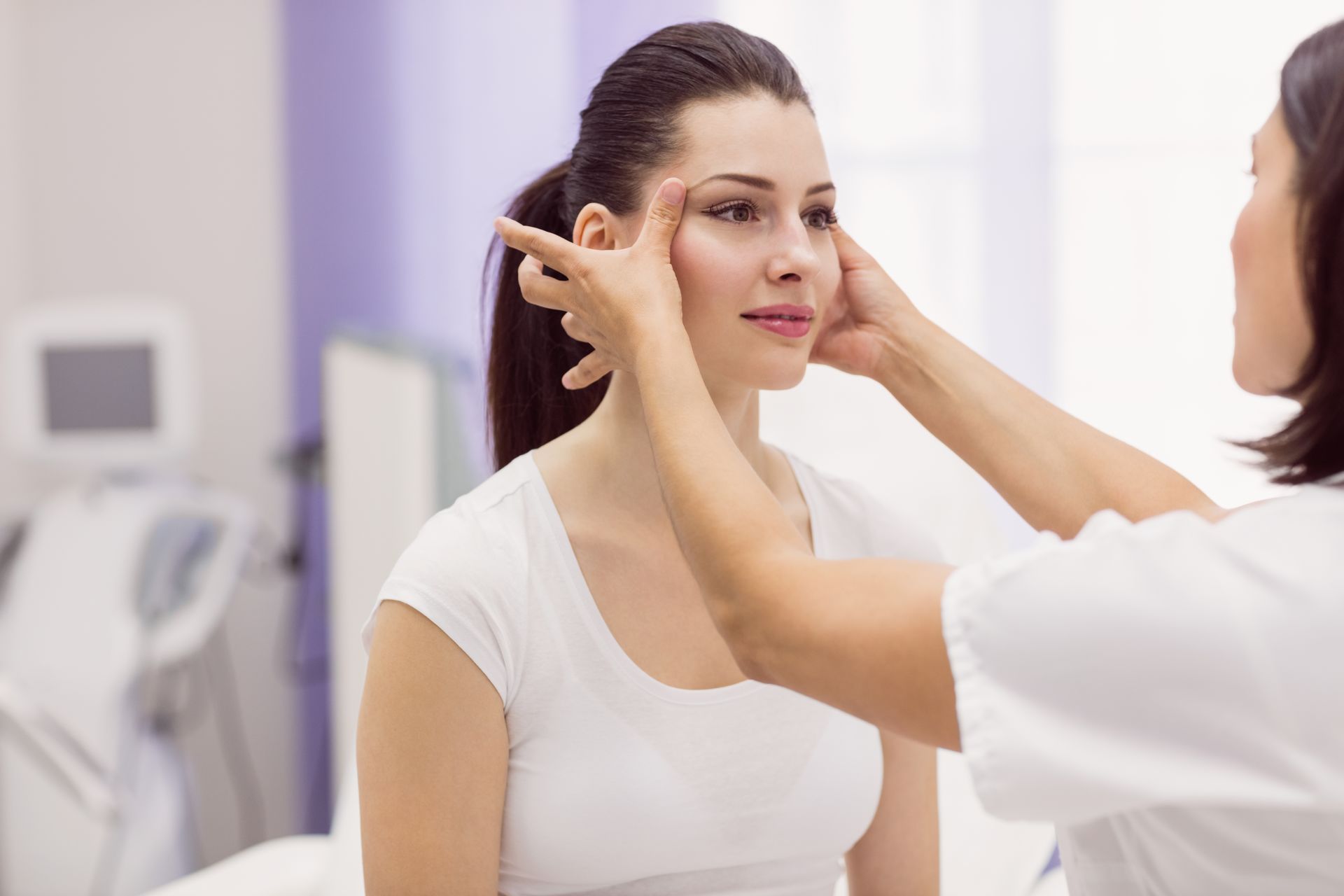
Prior to your visit to MontroseYou will attend a detailed consultation to assess your skin concerns, medical history and suitability for laser resurfacing. Your practitioner will determine whether non-ablative, ablative or a mixture of both treatments is most appropriate and create a personalised treatment plan.
Pre-treatment advice may include sun avoidance, skincare preparation, and temporary discontinuation of certain active products.
Your skin will be assessed, photographed and prepared for treatment. Where required, topical or local anaesthetic will be applied to ensure comfort. The treatment plan, expected outcomes and recovery process will be reviewed as part of an informed consent prior to treatment.
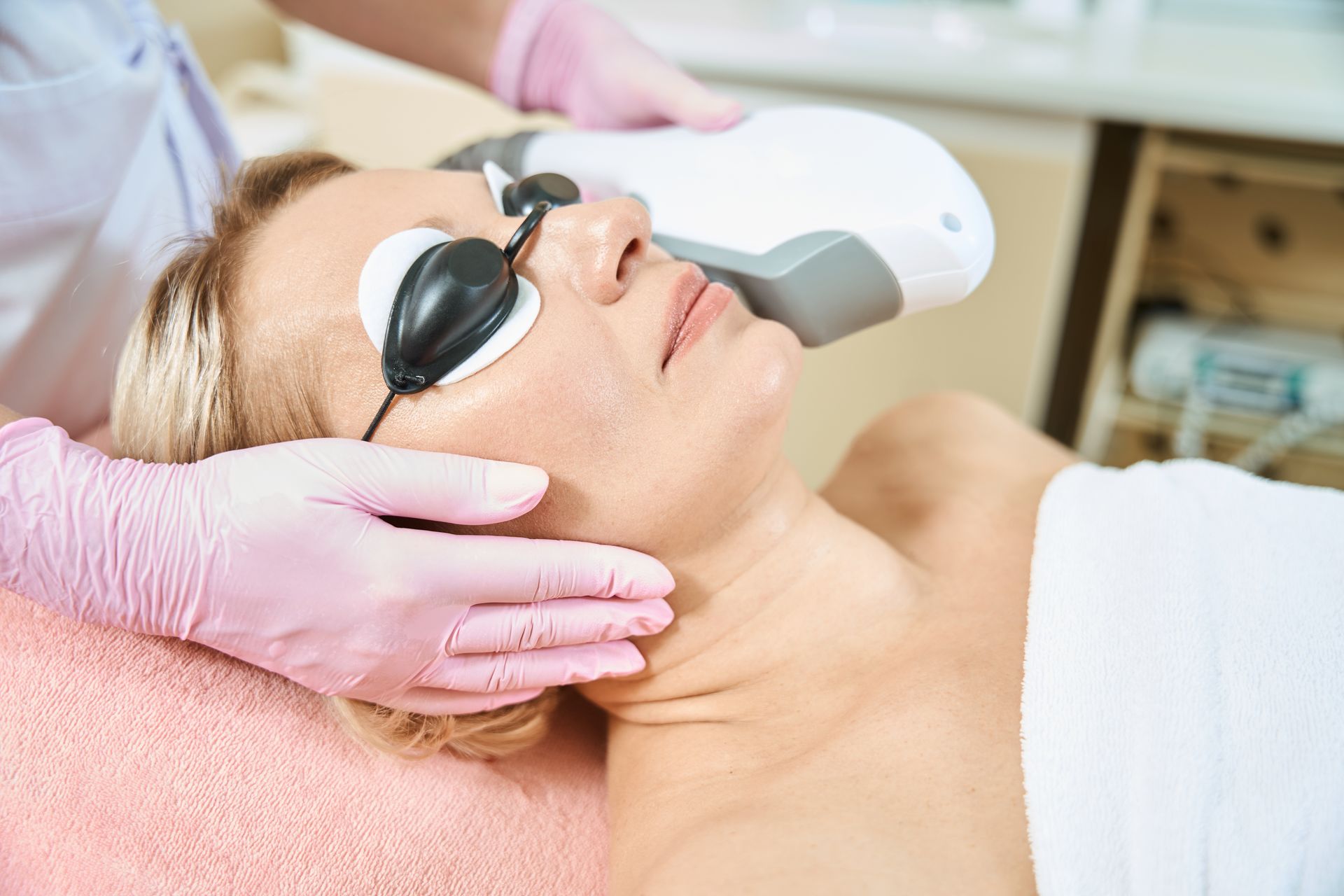
Laser energy is delivered in a controlled and precise manner to the treatment area. Treatment duration depends on the area treated, the specific treatment performed and the need for numbing cream and cooling afterwards. The sensations during treatment vary from nothing at all to mild discomfort depending on whether or not local anaesthetic is used. For the more intense laser treatments, there can be a hot sensation that develops almost immediately after treatment. This is managed well with the use of a cold air blower and ice packs. This sensation of heat dissipates within an hour after the treatment.
Post Treatment Advice
- Follow all post-treatment skincare instructions provided
- Avoid direct sun exposure and apply broad-spectrum SPF regularly
- Expect redness, swelling and possible peeling depending on treatment depth
- Avoid active skincare products until advised
- Attend follow-up appointments as recommended
Questions you may have
The difference is where the laser acts: non-ablative resurfacing heats the deeper layers of skin while leaving the surface intact, whereas ablative resurfacing removes the outer layers of skin to trigger more intensive renewal. Non-ablative means milder treatment with quicker recovery; ablative means more dramatic results with longer downtime.
Non-ablative laser resurfacing works by delivering laser energy to, and heating, the deeper layers of the skin without damaging the outer layer. This stimulates collagen and elastin production, which helps to reduce fine lines, address pigmentation and improve overall skin quality. Because the top layer remains intact, recovery is quicker, and side effects such as redness and swelling are milder. Non-ablative treatments are ideal for treating fine wrinkles, mild pigmentation, mild skin conditions, and early signs of ageing with minimal disruption to daily activities. These treatments are effective for those seeking gradual improvements in skin texture and appearance.
In contrast, ablative laser resurfacing involves the controlled removal of the outer layers of the skin, in either a fractionated or fully ablative capacity. This process stimulates a more intensive wound-healing response than non-ablative lasers, and promotes the growth of new, younger-looking skin that is smoother, firmer and more youthful-looking. Ablative treatments provide dramatic transformation for deep issues and are more intensive, offering better results but with longer downtime compared to non-ablative treatments. Ablative treatments are highly effective for deeper wrinkles, such as deep wrinkles around the lips, chin and cheeks, severe sun-damaged skin, pronounced pigmentation, significant scarring, and other challenging skin conditions. However, because the top layer of skin is removed, recovery time is longer, often requiring several days to weeks for the wound to heal fully.
Patients may experience redness, swelling and peeling during this period. Ablative lasers include carbon dioxide (CO2) and Erbium:YAG lasers and both have excellent outcomes. The Erbium:YAG laser has the advantage of less risk of post-inflammatory hyperpigmentation (PIH), so it can be used more safely in patients with darker skin types.
Many modern laser resurfacing treatments use fractional laser technology, which treats only a fraction of the area of the skin being treated by creating microscopic columns of treated tissue, surrounded by
untreated tissue. This approach promotes faster healing, reduces downtime and reduces the risk of side effects compared to fully ablative methods. Fractional laser resurfacing can improve uneven skin tone, age spots, skin colour irregularities and other pigmentation issues, while also helping to treat wrinkles and reduce fine lines. Fractional laser treatments can be either ablative or non-ablative, offering a balance between effectiveness and recovery time.
After ablative laser skin resurfacing, new skin usually covers the treated skin in 7 to 10 days, but full recovery takes at least a month. Proper care of the treated skin is essential during this period to ensure optimal results and minimise complications.
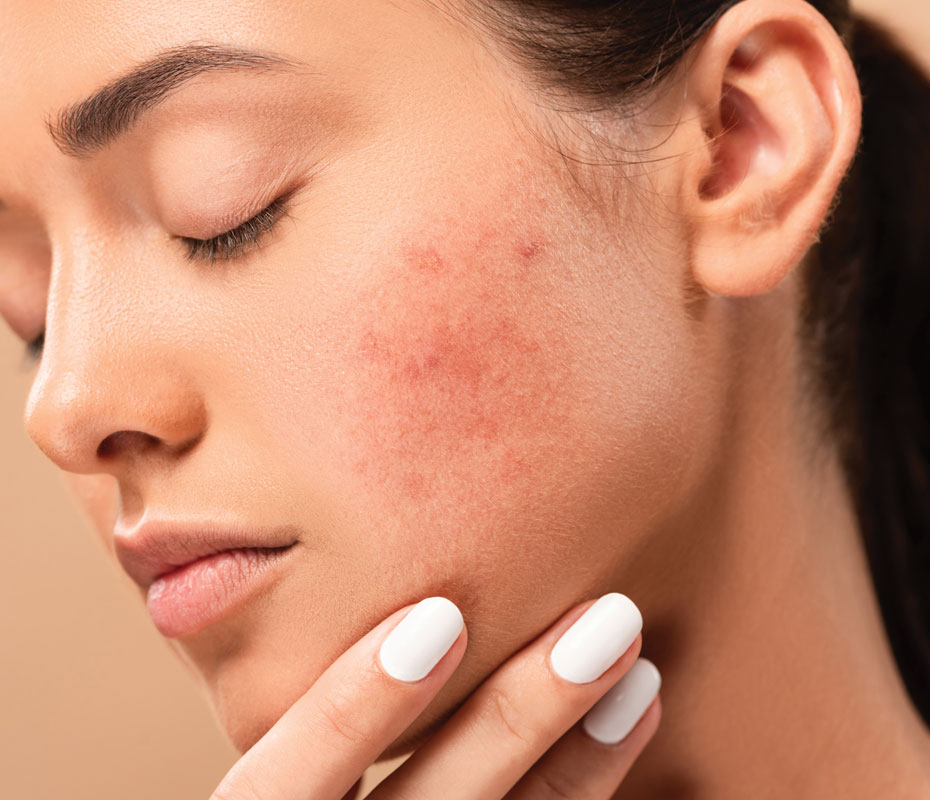
Yes. Fractional and fully ablative laser resurfacing are highly effective for improving acne scarring and uneven texture, depending on the clinical picture.
Laser resurfacing targets acne scars by breaking up scar tissue and stimulating new collagen and elastin production in the treated area. Fractional lasers create tiny wounds in the skin, which triggers the body’s natural healing process, leading to the regeneration of new skin cells and smoother skin texture. This helps to reduce the depth and visibility of acne scars over time. Both non-ablative and ablative fractional lasers can be used depending on the severity of the scarring and the patient’s skin type. Ablative treatments can be used in specific circumstances to smooth out sharp edges of acne scars but require longer recovery.
Non-ablative options offer moderate results with less downtime, making them suitable for milder scars or patients with darker skin tones, where the risk of pigmentation changes is higher.
Results are long-lasting, particularly when combined with appropriate skincare and sun protection.
The longevity of laser resurfacing results depends on factors such as the type of laser used, treatment depth, skin type and lifestyle habits. Ablative laser resurfacing typically delivers more radical results which persist for longer, whereas non-ablative treatments provide more gradual improvements which require more maintenance treatments to sustain optimal results.
Protecting the skin from sun exposure by applying high-factor sunscreen (SPF 50) regularly and following a good skincare regimen helps to preserve the benefits of laser resurfacing. Your laser practitioner will usually advise you to stay out of the sun for at least 8 weeks. Individuals with black skin or darker skin types should be especially diligent with sun protection and use appropriate sunscreen formulations to prevent hyperpigmentation. Additionally, avoiding smoking and maintaining a healthy lifestyle before and after laser treatments is important in optimising skin healing and overall skin health.
This depends on the laser technology used and the severity of the concern being treated.
For fractionated laser resurfacing (ablative or non-ablative), multiple sessions are usually recommended – often between three to six treatments spaced weeks apart – to achieve noticeable results. This approach allows gradual collagen stimulation and skin rejuvenation with the least amount of downtime after each session. Fully ablative, non-fractionated laser treatments may require only one treatment to produce significant and lasting improvements, although some patients may benefit from additional sessions or alternative laser types depending on their skin condition and desired results. Your practitioner will tailor the treatment plan based on your skin type, medical history and specific concerns to ensure optimal results with appropriate recovery time.
Laser resurfacing treatments can cause varying levels of discomfort depending on the type and intensity of the procedure. Many patients describe sensations ranging from nothing at all to a mild warmth that can then become a more intense burning feeling towards the end of the treatment. To ensure your comfort,
topical or injected local anaesthetic is typically applied before the procedure, and in some cases, oral sedation or pain relief may be offered, especially for more aggressive ablative treatments.
During more aggressive resurfacing lasers, very cold air is delivered to the skin surface at the same time as it is being treated with the laser. This makes the treatment more comfortable and reduces the occurrence of certain side effects.
After the treatment, it is common to experience redness, swelling, mild pain or irritation in the treated area. These symptoms can last from a few days up to two weeks, depending on the depth of the treatment. Your practitioner may recommend over-the-counter pain relievers, cold compresses and soothing skincare products to manage any discomfort and support the healing process.
Overall, while some discomfort is expected, pain management options and expert care at Montrose London ensure that your laser resurfacing experience is as comfortable as possible.
While laser resurfacing offers many benefits for skin rejuvenation, there are some disadvantages and potential risks to consider. The procedure can cause temporary side effects such as redness, swelling and peeling, which may last from a few days to a couple of weeks depending on the treatment intensity. More aggressive ablative treatments typically require longer recovery times and may involve discomfort or pain during the healing process.
There is also a risk of complications, including infection, changes in skin pigmentation (hyperpigmentation or hypopigmentation), and scarring, especially if aftercare instructions are not followed properly. These risks are very rare. People with darker skin tones may be at higher risk for pigmentation changes, so treatment options need to be carefully selected and, often, pre-treatment with pigment suppression for at least a couple of weeks is recommended.
Laser resurfacing may not be suitable for individuals with certain medical conditions, active skin infections, or a history of keloid scarring. Additionally, the cost of treatment can be significant, and multiple sessions may be required for optimal results, particularly with non-ablative lasers.
Finally, while laser resurfacing can dramatically improve skin appearance, it cannot address all signs of ageing such as sagging skin or deeper structural changes, which might require other treatments or cosmetic surgery for comprehensive results.
What to expect
- You can expect a comprehensive consultation, a personalised laser treatment plan, and expert care throughout your resurfacing journey. Your practitioner will guide you through treatment selection, recovery expectations and long-term skin maintenance.
Practitioners at Montrose London

Dr Georgina Williams
Dr Jonathan Dunne
Dr Shaimaa Jamshidi
Catherine Mitchell
Related conditions